

Salsa Socials in Dublin — Where to Start
Everything you need to know about Dublin's weekly salsa nights, the best venues for beginners, and what to expect when you step onto the dance floor for the first time.
12 min read
Beginner
May 2026

Getting Started with Salsa in Dublin
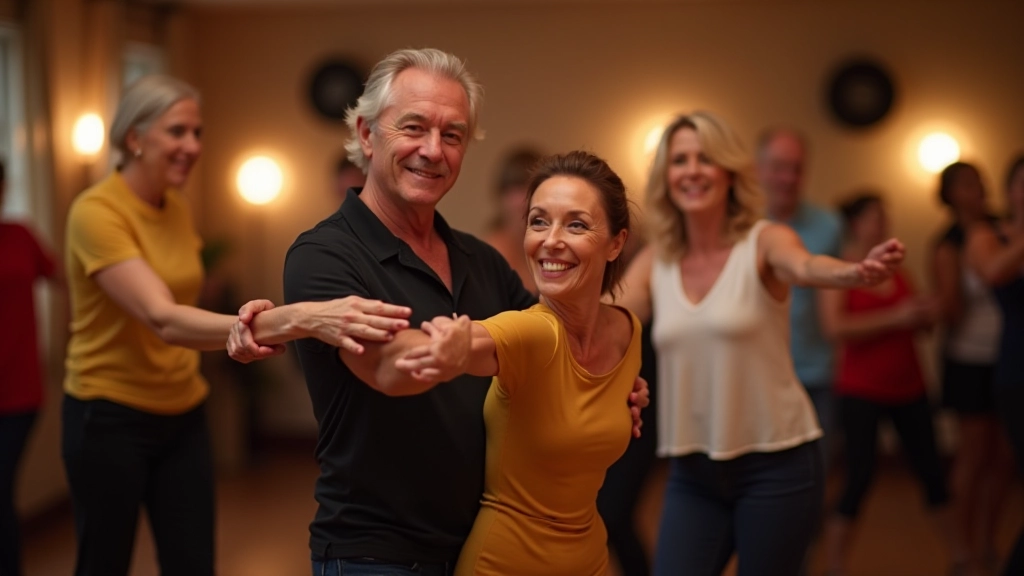
Dublin's got a thriving salsa scene. Whether you're 45, 55, or 65+, there's somewhere you'll fit in perfectly. The good news? You don't need experience, fancy shoes, or even a partner to start. Most venues actively welcome beginners and make sure you'll feel comfortable on your first night.
What makes Dublin different is the community aspect. It's not about showing off complicated footwork — it's about having fun, meeting people, and actually enjoying the music. We've put together everything you need to know before you head out to your first social.
Best Venues for Beginners
Dublin's got five main spots that consistently welcome beginners. The venues differ in vibe — some are more relaxed and intimate, others are bigger and more energetic. Most run socials on different nights of the week, so you can find a rhythm that works for you.
Key venues running regular beginner-friendly socials:
- Tuesdays & Thursdays: City centre studio with proper sprung floors (better for joints)
- Wednesdays: Southside location with free beginner lesson before the social
- Fridays: Larger venue, more crowded, great for meeting other dancers
- Saturdays: Casual afternoon sessions, less formal atmosphere
- Sundays: Smaller group sessions, more personal attention available
Most venues charge €8–12 entry. They're open year-round, though summer can get quieter when people travel. The Wednesday sessions are genuinely the best starting point — you'll get 30 minutes of basics before the social begins.

What Happens on Your First Night
Don't overthink it. Seriously. You'll arrive, pay at the door, and most venues have a small area where you can leave your jacket and bag. The music's usually already playing when you walk in.
A typical evening looks like:
1
Arrival (7:00–7:15 PM)
People filter in gradually. It's relaxed — nobody's checking their watch. Some folks chat at the sides, others warm up on the floor.
2
Beginner Lesson (7:15–7:45 PM)
If you're on a Wednesday, there's a quick lesson. Just the basics — how to move your hips, the timing, where to step. No pressure. You're moving with 20+ other people.
3
Free Dancing (7:45–10:00 PM)
The social begins. People pair up and dance. It's completely fine to sit this one out and just watch. Or dance with friends if you came as a group.
4
Breaks & Chatting (Throughout)
There's no countdown timer. People dance 2–3 songs, take a break, chat, get water, dance again. It's social in every sense.
The thing that surprises most people? Nobody judges. Everyone started exactly where you are right now.
Practical Tips Before You Go
Shoes Matter More Than You'd Think
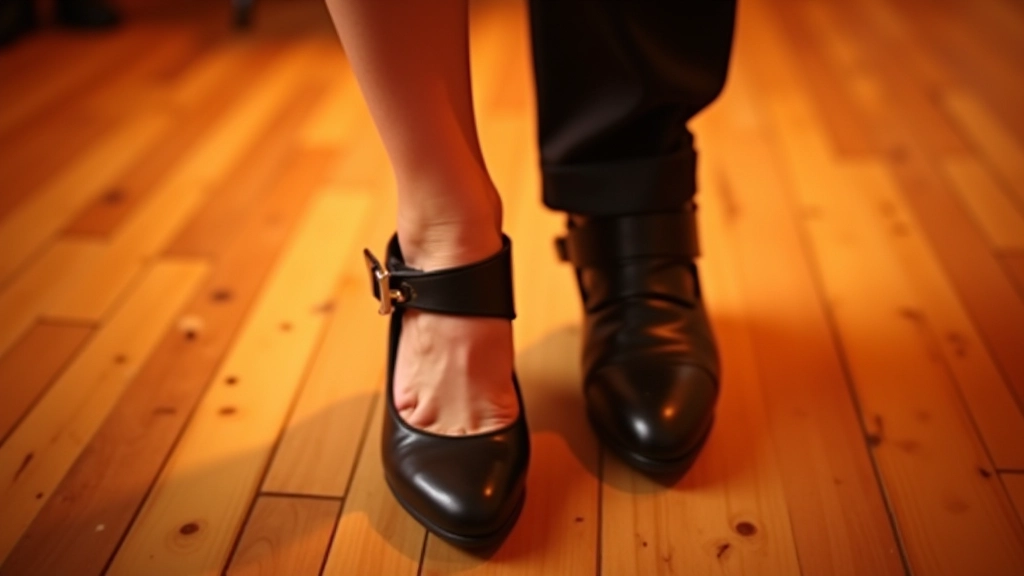
You don't need special salsa shoes right away. But avoid trainers with thick soles — your feet need to feel the floor. Dance shoes, leather-soled shoes, or even smooth casual shoes work fine. You're looking for shoes that let your foot pivot smoothly.
Come Solo or With Friends
Either works. Coming alone? You'll meet people immediately — the community's genuinely friendly. Coming with a friend? You've got a confidence boost and someone to sit with between dances.
Partner Dynamics Are Relaxed
Men typically lead, women follow — but that's flexible. Some women lead, some men follow. It's about communication and comfort. If a dance isn't working, smile and move on. No one's keeping score.
Bring Water & Dress Comfortably
You'll move more than you expect. Most venues don't have water fountains, so bring a bottle. Wear clothes that let you move — jeans are fine, but something with a bit of stretch is nicer.
The Music Is Always Salsa (Mostly)
You'll hear Cuban-style salsa, New York style, and sometimes Bachata or Merengue. The rhythm's always consistent though — once you feel the beat a few times, it clicks.
Timing Your First Visit
Wednesday nights are genuinely best for beginners because of the lesson. But any night works. Avoid opening hour (it's quiet) — aim for 7:30–8:00 PM when things are in full swing but not chaotic.
Understanding the Basic Rhythm
Salsa isn't complicated once you understand the timing. The rhythm is 8 beats, but you only dance 6 of them. Beats 7 and 8? You're just resetting position.
The Basic Step:
Beat 1: Step forward with your left foot (or right, depending on style). Beat 2: Rock back onto your right foot. Beat 3: Step left in place. Beat 5: Step back with your right foot. Beat 6: Rock forward onto your left. Beat 7: Step right in place. Beats 4 and 8 are just pauses.
That's it. That's the fundamental pattern that almost everything else is built on. You'll repeat this basic step hundreds of times before you even think about adding turns or styling. And honestly? That's perfectly fine. You can have a great night dancing just the basic step with someone who knows what they're doing.
The Wednesday beginner lessons cover this in detail with a real instructor watching your movement and correcting small things. It makes the difference between feeling confused and feeling confident.
The Mental Side — What Actually Matters
"Wasn't sure about it at first honestly. But after a few Wednesday sessions I started recognising faces, people remembered me, and I actually felt like part of something. Plus my posture got better and my energy improved. That wasn't the plan, but it happened."
Here's what we hear most from people who've been dancing for 6 months: they didn't come for the footwork. They came because they wanted to get out, move around, and have some fun. The dancing became the excuse to do those things.
Dublin's salsa socials aren't intimidating if you shift your perspective slightly. You're not competing. You're not being judged. You're just moving to music with other people who made the exact same decision you did — to try something new and see what happens.
Things That Actually Help on Your First Night
- Show up with the expectation that you'll feel awkward — everyone does. It passes after 20 minutes.
- Focus on listening to the music instead of thinking about your feet. Your body knows what to do.
- Chat with people at the sides. Ask someone how long they've been dancing. They'll light up telling you their story.
- If you mess up during a dance, just smile. Everyone does it. Your partner won't care.
- It's okay to sit out a few songs while you get your bearings. Watch other people. You'll learn just by observing.
Important Note
This guide provides educational information about salsa socials in Dublin and is intended for informational purposes only. Venue details, schedules, and pricing are current as of May 2026 but may change. We recommend confirming specific details with venues directly before your visit. If you have any physical concerns or health conditions, consult with a healthcare professional before beginning any new physical activity. Dance safely and listen to your body.
Taking the First Step
Dublin's salsa community is waiting for you. The venues are friendly, the people are genuine, and the music's always good. You don't need to be fit, young, or talented. You just need to show up.
Start with a Wednesday night social if you can. Get there around 7:30 PM, pay your entry, and let yourself be surprised by how welcoming it all is. You'll probably dance more than you expected, meet at least one interesting person, and leave thinking "I'm definitely coming back."
That's how it works. One night becomes a habit. A habit becomes a community. And before you know it, you're the person telling someone else that it's not as scary as it sounds.
More Dance Resources
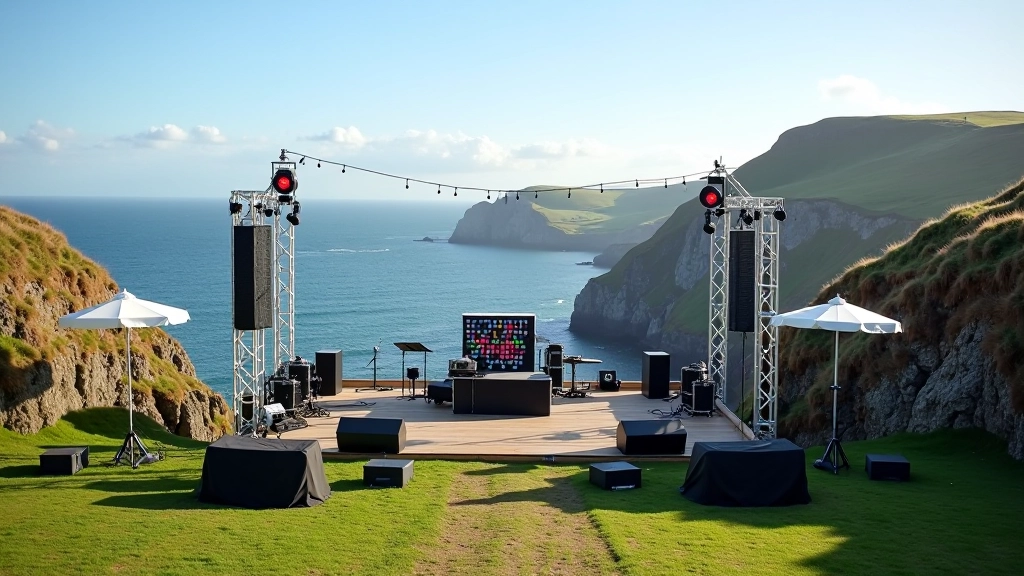
Summer Dance Festivals on the Wild Atlantic Way
Discover the best outdoor summer dance gatherings along the Wild Atlantic Way with scenic coastal venues.

Galway Latin Dance Festivals — Year-Round Calendar
Galway hosts seasonal Latin dance festivals throughout the year. Here's when they happen and what to expect.